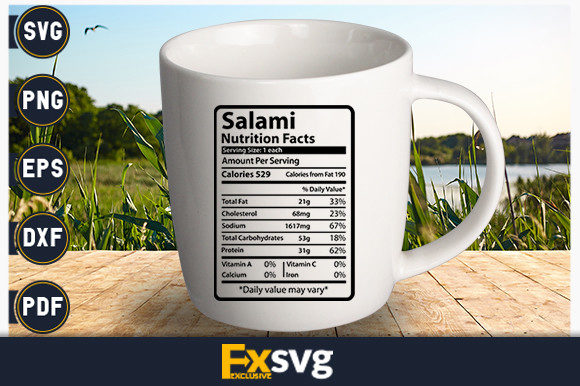
Salami Nutrition Facts
A Designer’s Take on the Humor and Practicality of a Food-Related Embroidery Design
As a designer who regularly evaluates embroidery files for real-world use, I often find myself weighing the balance between visual appeal and practical execution. The Salami Nutrition Facts design falls into that category—funny, bold, and packed with detail, but not without its considerations. Let me walk you through my thought process as I imagine using this design in a custom embroidered tote bag.
The First Impression: A Playful and Bold Statement
At first glance, Salami Nutrition Facts feels like a humorous take on a common grocery list item. The layout is clean, with a clear hierarchy of information, making it easy to read at a glance. The font choices are modern and legible, which is a big plus for embroidery work that needs to be both readable and visually engaging. The color palette leans toward vibrant reds and blacks, giving the design a strong, eye-catching presence.
This kind of playful tone fits well with holiday-themed projects or personalized gifts. Imagine adding it to a festive apron or a Christmas-themed pillow cover. The Salami Nutrition Facts design has a personality that can easily translate into a variety of custom apparel and craft business products.
Real-Life Use Case: Custom Tote Bag Embroidery
Let’s say I’m working on a custom tote bag for a client. The Salami Nutrition Facts design would be an excellent choice for the front panel. Its size and complexity make it ideal for a medium hoop, and the bold colors ensure it stands out against most fabric backgrounds. However, I’d want to test the design on scrap fabric first to see how it looks in practice.
One thing to note is the level of detail. The nutritional facts are clearly laid out, and the graphic elements—like the salami slices—are rendered with enough precision to maintain clarity during stitching. That said, the design might require careful attention to stitch density, especially in areas with small text or intricate patterns.
Considerations for Different Fabric Types
While Salami Nutrition Facts looks great on light-colored fabrics, it may need more preparation on darker or textured surfaces. Darker fabrics can reduce the visibility of some details, so testing with a black-and-white mockup before finalizing the design is a smart move. Textured fabrics like denim or canvas could also affect the overall appearance, potentially softening the sharp edges of the design.
If the design is intended for a commercial embroidery project, such as a batch of embroidered patches or tea towels, it’s important to consider the scalability of the file. The SVG format provided should allow for flexibility, but always double-check the stitch count and compatibility with your machine.
Design Quality and Stitching Clarity
From a technical standpoint, the Salami Nutrition Facts design appears to be well-structured, with a clear separation of elements. This makes it easier to manage stitch density, especially in areas with dense fill stitches or satin stitches. However, the design’s complexity means that proper stabilizer use is essential to prevent puckering or distortion during stitching.
I’d also recommend checking the thread color contrast. While the design uses a dark red and black palette, it might benefit from a white or light-colored thread for certain elements to enhance readability. This is particularly important for small text or detailed corners that can get lost in shadowed areas.
Practical Tips for Designers and Crafters
- Test on scrap fabric: Always run a test before committing to a full project. This helps identify any potential issues with stitch density or color contrast.
- Check thread colors: Ensure that the chosen thread colors complement the design and enhance its visual appeal.
- Review stitch density: Pay attention to areas with dense stitching, as they can affect the overall look and feel of the finished product.
- Confirm hoop size: Make sure the design fits comfortably within your hoop to avoid stretching or distortion.
- Inspect small details: Look closely at tiny lettering and decorative accents to ensure they remain clear after stitching.
- Use proper stabilizer: Especially for stretchy or thin fabrics, a quality stabilizer can make all the difference in the final result.
- Compare light and dark backgrounds: Test the design on different fabric types to see how it performs in various lighting conditions.
- Confirm licensing: If planning to sell the finished product or digital assets, always verify the licensing terms before proceeding.
Where Does This Design Fit Best?
The Salami Nutrition Facts design is versatile but best suited for projects where humor and clarity are key. It works exceptionally well for holiday embroidery, personalized gifts, and small shop products. Think about using it on baby clothes, caps, or even a custom sweatshirt for a fun, quirky twist.
It’s less ideal for highly detailed or layered garments, where the design might become overwhelming. Similarly, it’s not the best fit for curved surfaces like hats unless the design is specifically optimized for those shapes.
Final Thoughts on Visual Appeal and Value
Overall, Salami Nutrition Facts is a strong contender for designers looking to add a touch of humor and personality to their embroidery projects. Its bold style and clear layout make it suitable for a wide range of applications, from digital embroidery files to handmade products.
However, like any design, it requires thoughtful consideration of fabric type, stitch density, and thread color to ensure the final product meets both aesthetic and functional expectations. With the right approach, this design can elevate your craft business or Etsy listing and create a memorable, engaging experience for your customers.